Services
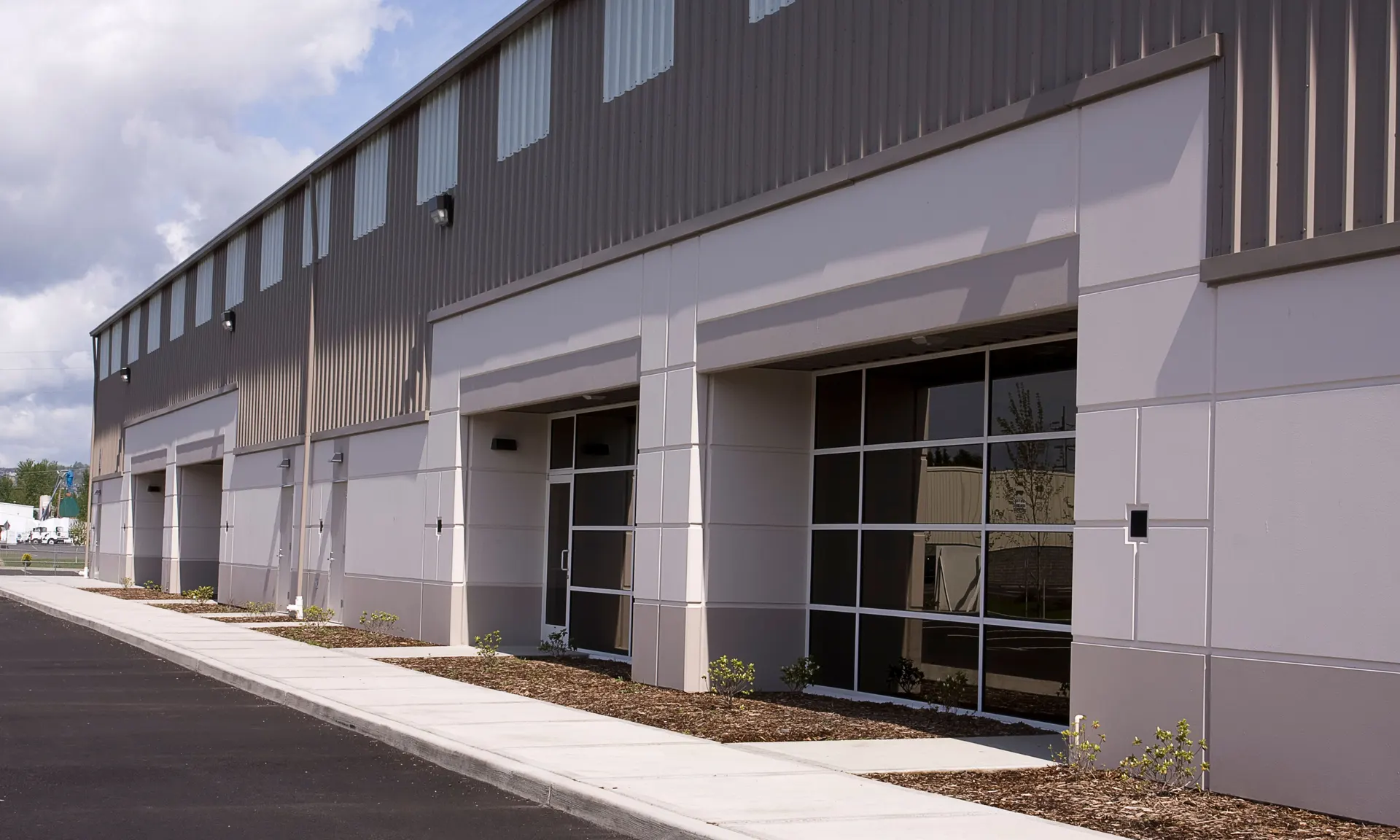
A commercial acquisition doesn't get a second look before closing. Whether it's a walk-up apartment building in Queens, a retail strip in Nassau County, a warehouse in Suffolk County, or an office building in Westchester, the report needs to hold up in front of a lender, an investor, and eventually a rent roll. That's where a certified engineer, not just a licensed inspector, changes what's possible in the findings.
Commercial properties carry heavier structural loads, denser mechanical and electrical systems, and code requirements that go well beyond what a residential-focused inspection is built to catch. An engineering background means findings on structural conditions, prior modifications, and system capacity carry real technical weight, not just a visual pass or fail. When your lender's underwriter or your partners start asking follow-up questions, that distinction is what holds up.
Office buildings, retail storefronts and shopping centers, multi-family walk-ups and elevator buildings, mixed-use properties, and light industrial or warehouse space, across Manhattan, Brooklyn, Queens, Nassau County, Suffolk County, and Westchester County. If you're evaluating a smaller 1-to-4 family property instead, our residential inspection is usually the better fit and the more cost-effective option.
A commercial walkthrough typically runs longer than a residential inspection and covers the full property, common areas, mechanical rooms, roof access, and unit interiors where accessible. Ownership, property managers, and brokers are welcome to attend and walk the site directly rather than waiting to read about it in the report. For larger or multi-building properties, the walkthrough may be split across more than one visit to avoid rushing any single system.
Roof age and remaining service life, deferred maintenance that didn't make it into the seller's disclosures, code compliance on older buildings that predate current requirements, and the condition of shared mechanical systems in multi-tenant properties come up on nearly every commercial deal. If a property's history includes water intrusion or a documented mold concern, it's worth pairing the inspection with a separate mold assessment, which New York law requires to be performed by an independently licensed assessor. Older buildings with basement or ground-floor space may also warrant radon testing alongside the general inspection.
A detailed property condition report, structured the way lenders and investors actually read due diligence documents: findings organized by immediate, short-term, and long-term capital needs, not just a flat list of observations. Every finding is documented with photos and written in language that holds up if it ends up in front of counsel or an underwriting committee. It's built to be useful in a real negotiation, not to check a box.
The report is written and delivered promptly after the site visit, giving you real time to act within a typically short due diligence window. If the report raises questions once you're reviewing it with counsel or your partners, that follow-up conversation is part of the service, not a separate ask.
Commercial due diligence periods are usually short and tied directly to a financing contingency. The earlier you reach out after going into contract, the more room there is to schedule the walkthrough, get the report back, and still have time to act on what it finds before your window closes. See what other clients have said in our reviews, or get in touch to talk through your timeline.

Professional home inspections that protect your investment, from walkthrough to final report.
Learn more →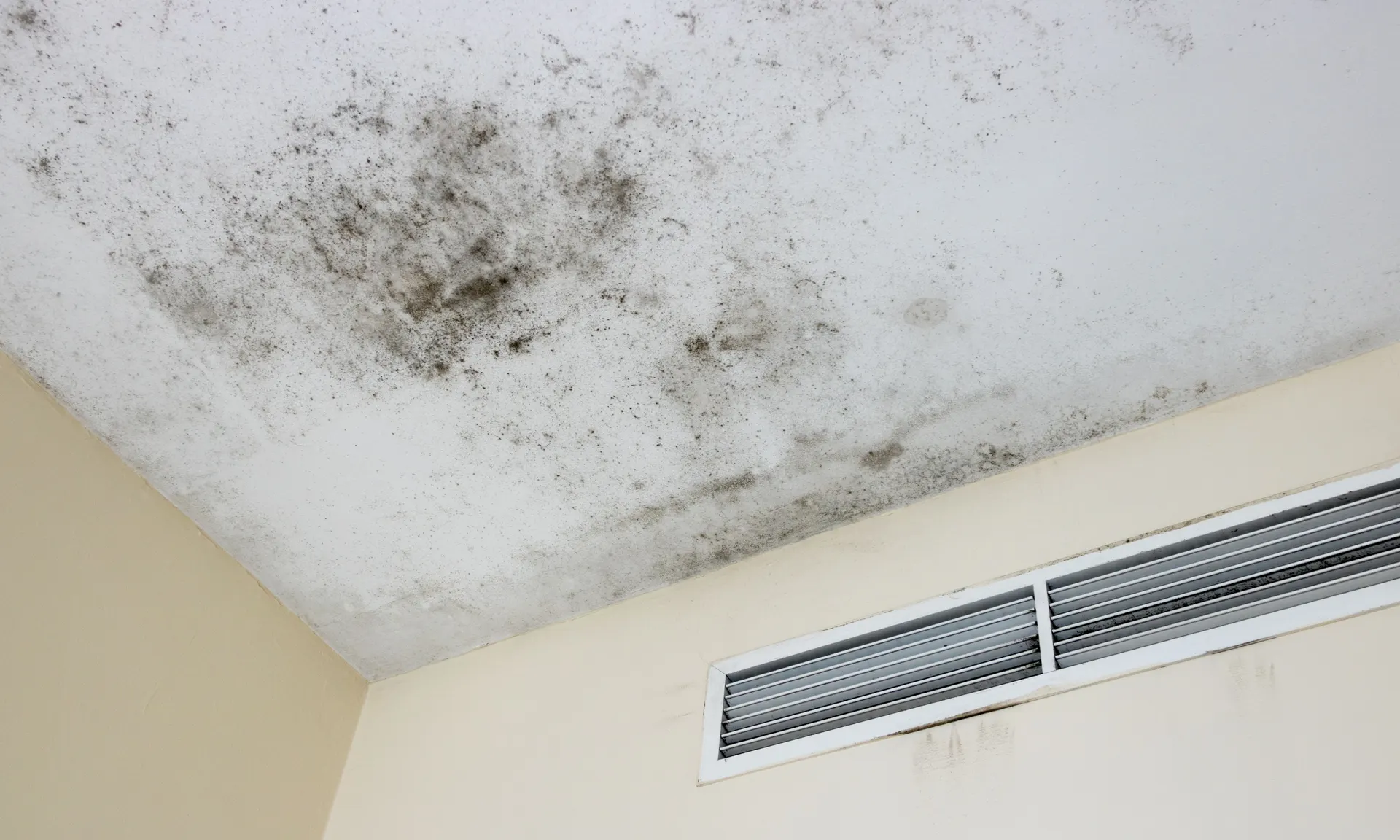
NYS-licensed mold assessment, sampling, and lab analysis you can act on.
Learn more →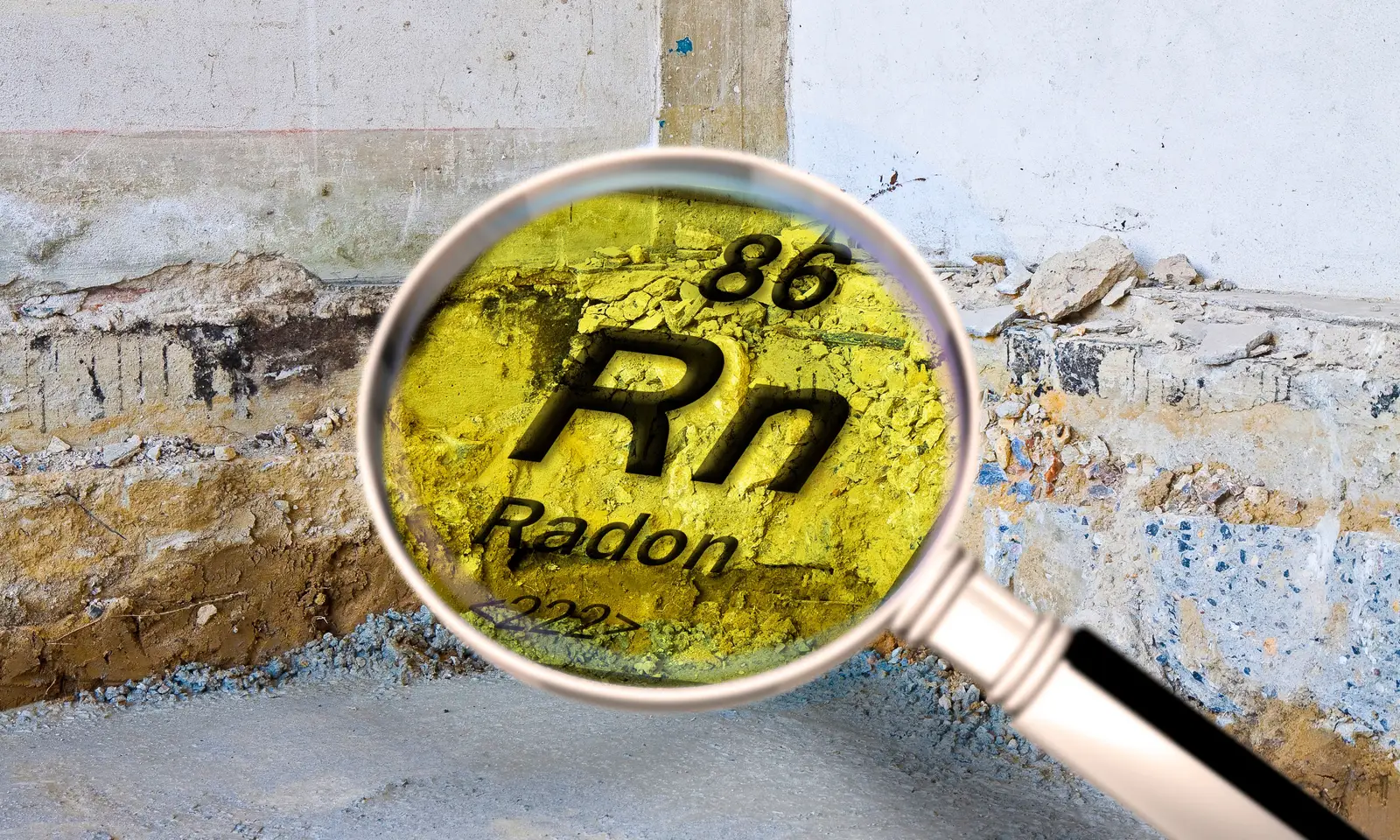
Certified radon testing and reporting across every service area.
Learn more →
Supervised field hours and mentorship for the next generation of home inspectors.
Learn more →