Services
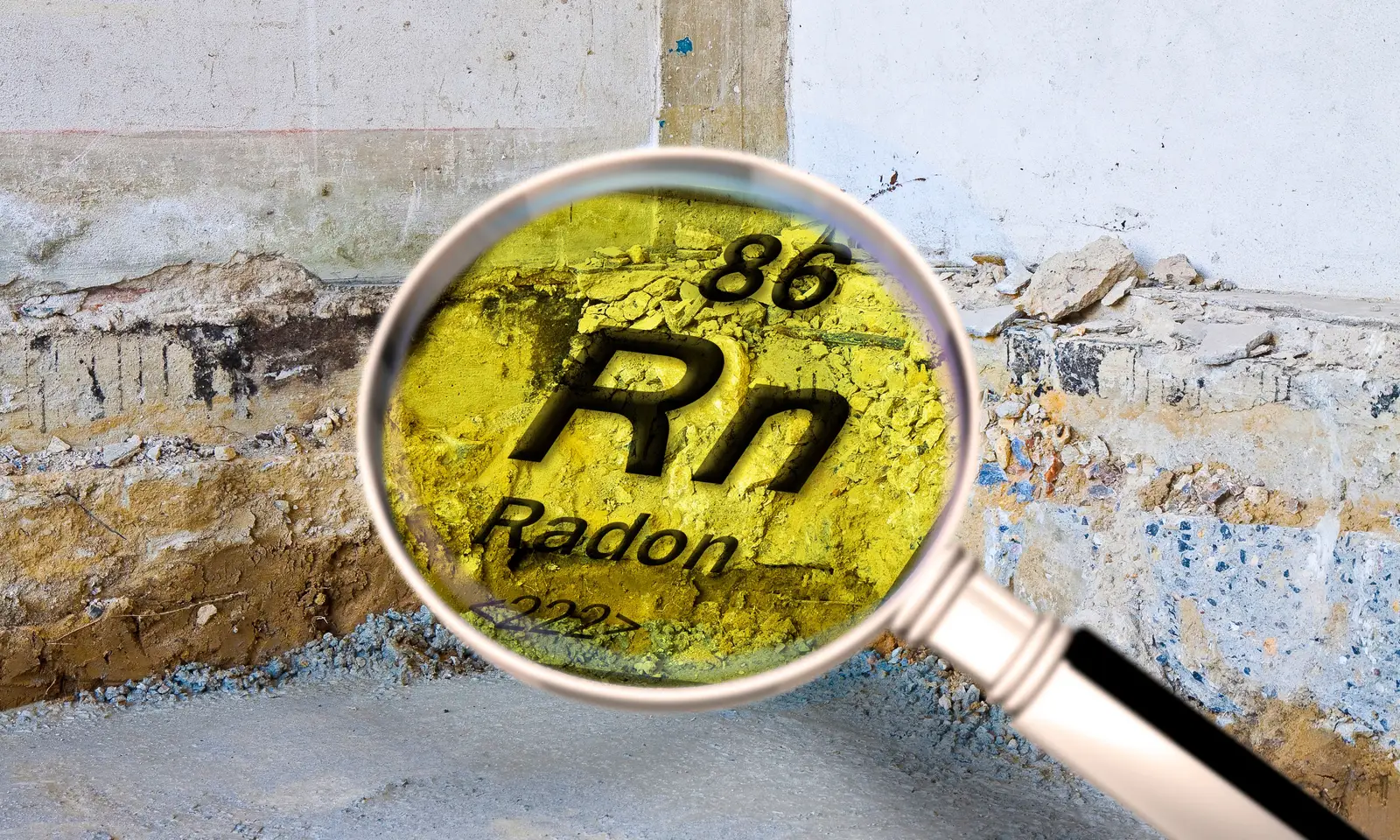
Radon is a naturally occurring radioactive gas. You can't see it, smell it, or taste it, and the EPA estimates roughly 1 in 15 U.S. homes has an elevated level. New York State maintains its own radon program given the state's geology, and testing is one of the most requested add-ons for real estate transactions across Long Island, New York City, and the Hudson Valley.
Radon has nothing to do with a home's age, condition, or price point. It seeps up from the ground through foundation cracks, sump pits, and other openings, which means a beautifully renovated house in Nassau County can test just as high as a fixer-upper next door in Suffolk County. The only way to know is to actually measure it, which is exactly why so many buyers request it alongside the general inspection rather than treating it as optional.
A continuous radon monitor is placed in the lowest livable level of the home, where radon concentrations tend to be highest, and left to run for a minimum test period, typically 48 hours or more for real estate transactions, following EPA and AARST testing protocols. Basements are the most common test location on Long Island; in New York City co-ops and multi-family buildings, the lowest occupied level is used instead.
There's no level considered entirely risk-free, but the EPA sets 4.0 pCi/L as the threshold where mitigation is specifically recommended.
Mitigation, most commonly a sub-slab depressurization system installed by a certified mitigation contractor, is highly effective and typically brings levels well below the action threshold. Many real estate contracts allow radon mitigation to be negotiated as part of closing, so an elevated result early in the process is usually a solvable problem, not a deal-breaker.
You don't need to be present for the test itself, since the monitor runs unattended for the full period and the placement only takes a few minutes during the inspection visit. A 48-hour test is standard for real estate transactions and accepted by lenders and attorneys, though longer monitoring is available if you want more data before making a decision. Results are delivered alongside the rest of your inspection report, not as a separate delayed document.
Radon testing is commonly scheduled alongside a residential inspection or commercial inspection, and for older homes with a documented history of water issues, mold testing is often worth adding at the same visit. Every residential inspection also comes with the protections on our warranties page at no extra cost.
Radon results are reported alongside your inspection findings, in the same plain-language format, so you're not left interpreting a lab printout on your own.
Get in touch to add radon testing to your upcoming inspection, or to schedule it on its own.

Professional home inspections that protect your investment, from walkthrough to final report.
Learn more →
Comprehensive due diligence for offices, retail, multi-family, and mixed-use properties.
Learn more →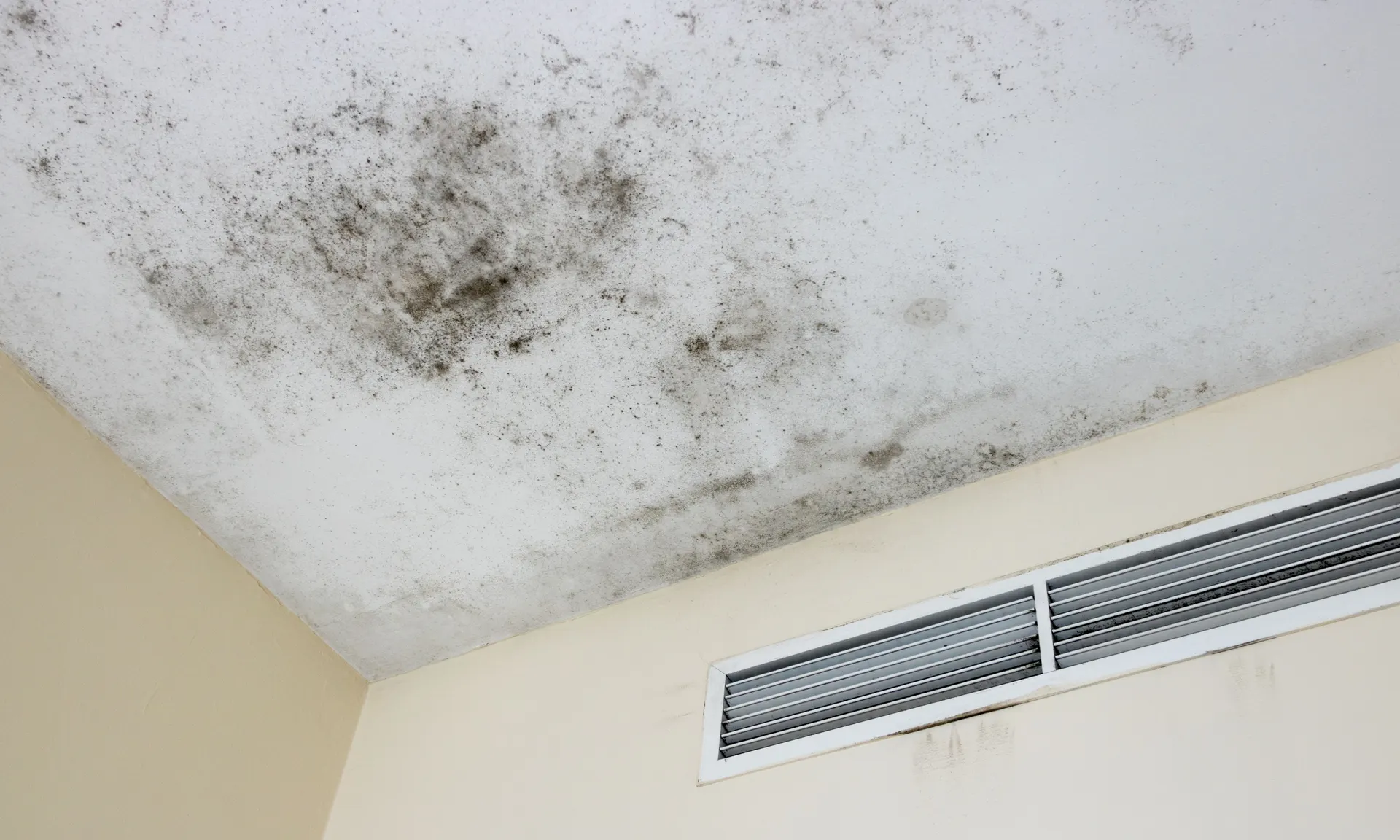
NYS-licensed mold assessment, sampling, and lab analysis you can act on.
Learn more →
Supervised field hours and mentorship for the next generation of home inspectors.
Learn more →