Services
Since 2016, New York has required anyone performing a mold assessment to hold a Mold Assessor license issued by the State Department of Labor, and the law specifically prohibits the same company from both assessing and remediating a mold problem. That's not a technicality, it's what keeps the assessment honest, whether it's a basement in a Long Island split-level or a ground-floor unit in Brooklyn.
New York's mold law exists because of an obvious conflict of interest: a company that both finds mold problems and gets paid to fix them has every incentive to find more than what's actually there. By law, Northeast performs the assessment only. If remediation turns out to be necessary, that work goes to a separate, independently licensed remediation contractor, so the person telling you what's wrong is never the same person billing you to fix it.
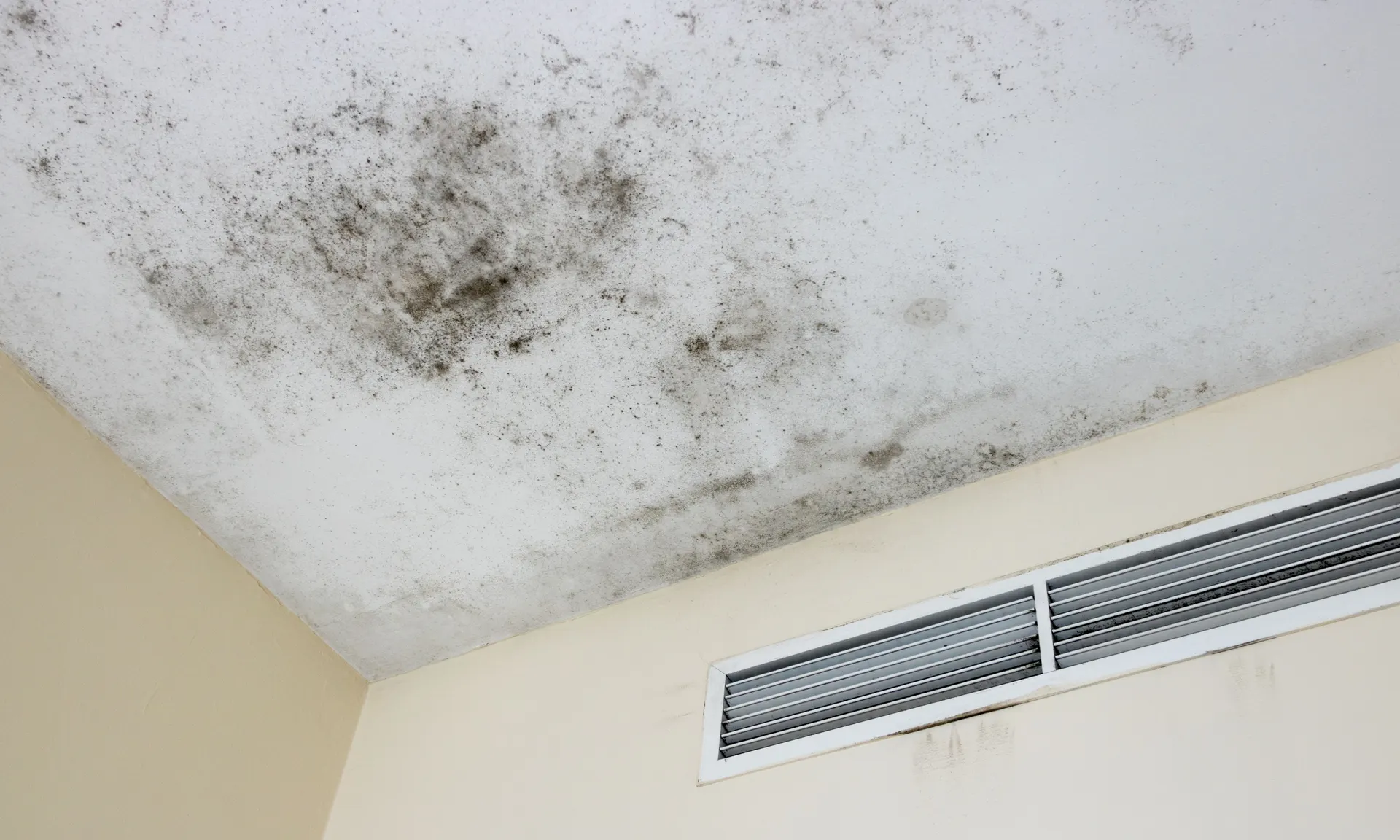
A mold assessment starts with a visual inspection of the property, checking areas prone to moisture intrusion, along with moisture meter readings. Where mold is suspected or visible, air and surface samples are collected and sent to an accredited laboratory for analysis.
On Long Island and in older New York City housing stock alike, the same problem areas turn up again and again: basement walls below grade, the underside of subfloors near past leaks, bathroom ceilings with poor ventilation, and attic sheathing beneath a roof that's had prior water intrusion. None of that means every basement has a problem, it just means those are the areas worth a closer look before you sign anything.
The assessment usually takes place alongside a general home inspection, though it can be scheduled on its own. Expect the assessor to spend extra time in basements, crawl spaces, bathrooms, and any area with a documented history of water intrusion, since that's where the vast majority of findings turn up in homes across Nassau County and Suffolk County. Lab results for any samples collected typically come back within a few business days, and the written report follows shortly after.
A written report with lab results, a clear explanation of what was found, and next steps, not just a pass or fail. If mold is present, the report identifies the scope of the concern so you and your attorney know exactly what you're dealing with before closing.
Mold testing pairs naturally with a residential inspection or a commercial inspection, and many buyers order radon testing at the same visit since both are commonly requested together during due diligence. The 90-day MoldSafe protection described on our warranties page also applies automatically if a residential inspection is booked alongside the assessment.
New York also amended its Property Condition Disclosure Statement to require sellers to disclose known indoor mold. An independent assessment gives buyers something more concrete to work from than a disclosure form alone.
Get in touch to schedule a mold assessment on its own or alongside your inspection.

Professional home inspections that protect your investment, from walkthrough to final report.
Learn more →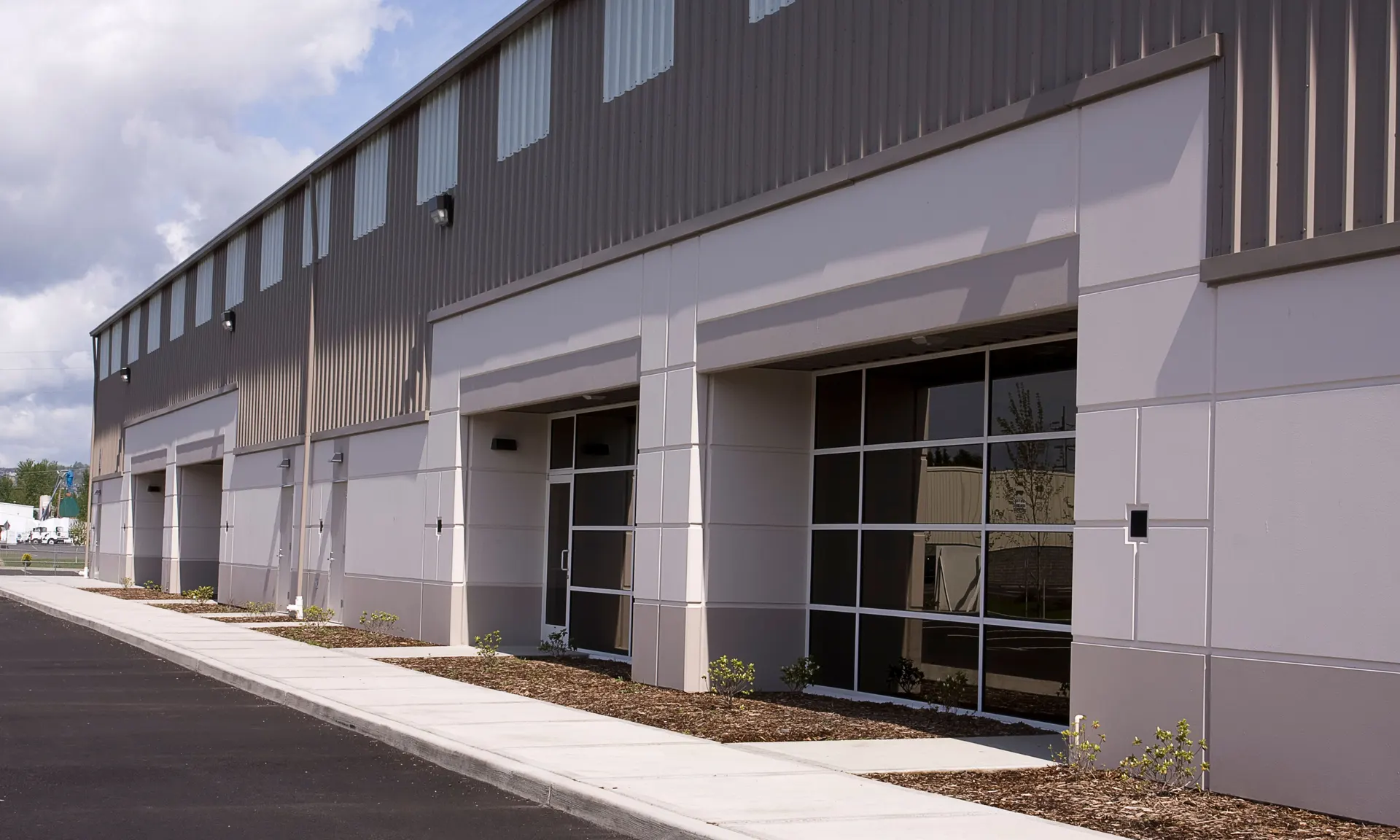
Comprehensive due diligence for offices, retail, multi-family, and mixed-use properties.
Learn more →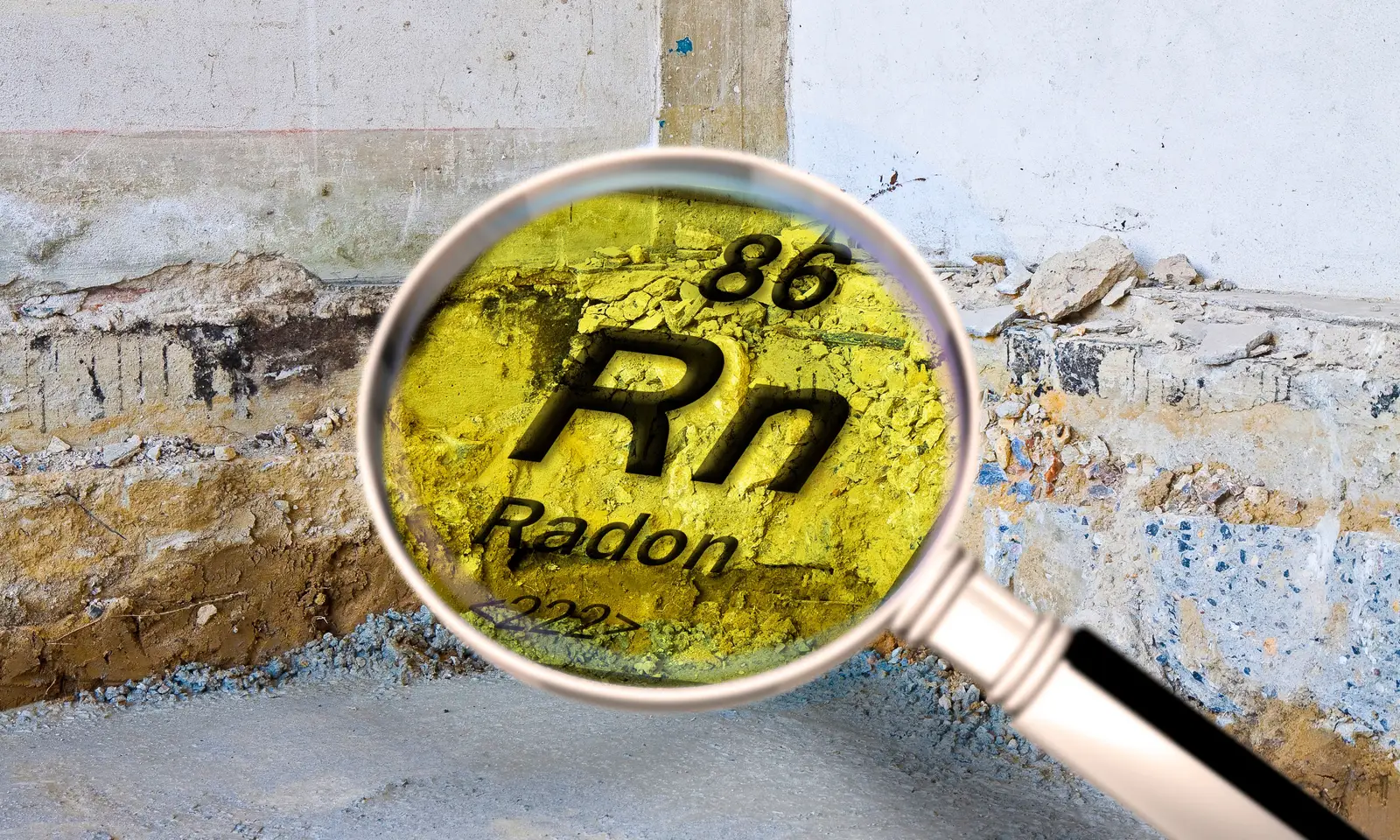
Certified radon testing and reporting across every service area.
Learn more →
Supervised field hours and mentorship for the next generation of home inspectors.
Learn more →